Autism

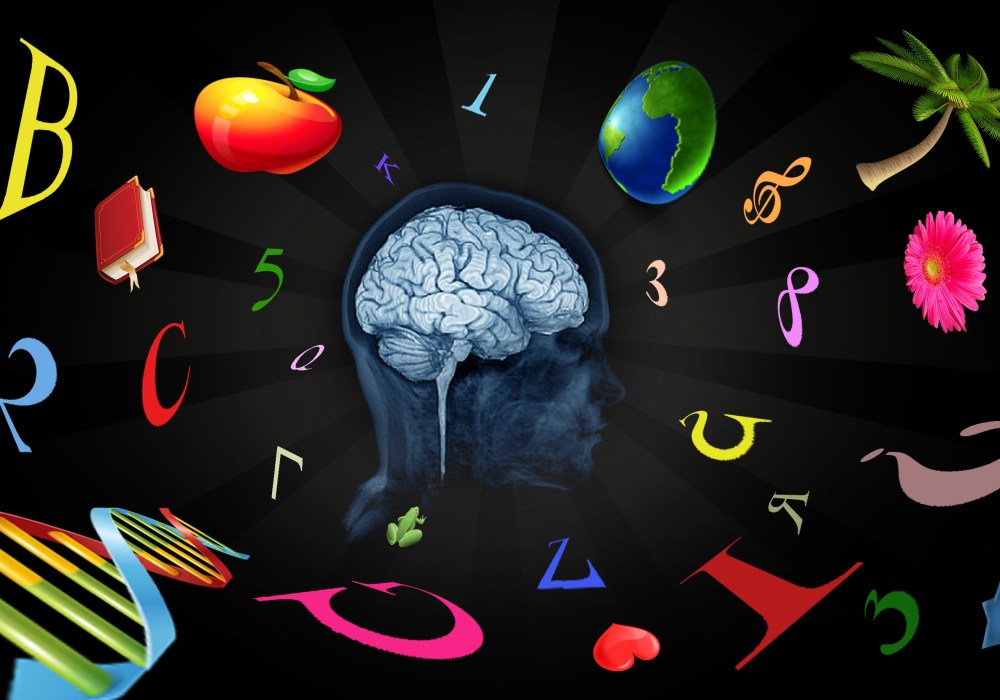
As I was thinking about the way I should structure this article, a question kept running through my head: ”If we were to choose, do we want to be cool idiots or anti-social geniuses?” At first, common sense kicked in: “You cannot really put things like this; when it comes to human beings (and living creatures, in general) there are many shades of grey. Therefore, you can be smart and socially able at the same time. People are complex!” But what is intelligence? What really distinguishes intelligence from geniality? Are geniuses narrow-minded and do they excel in only one or two areas? Doesn’t being smart require broaden interests and different abilities, including social skills? Does intelligence involve creativity? So many questions, so many myths, so much confusion… I decided to write an article about intelligence at some point in the near future, but until then, let us focus on today’s topic – Autism!

Autism Spectrum Disorder is a rather peculiar brain disorder with contradictory manifestations. It is one of the reasons for the avalanche of questions above, and it has often left scientists baffled. I am sure most of you are all well aware of the characteristic symptoms an autistic person portrays. If you remember when we talked about empathy and mirror neurones in a previous article, we mentioned autism in the context of a dysregulation in the activity of mirror neurones. As a result, autistic people do not understand and tend to avoid other people, and they might not allow others to touch them. They also develop stereotypical behaviours. Repetition and strict schedules is what people with autism need in order to feel calm and safe. Anything that is out of the ordinary, according to their particular set of rules, can wreak havoc.

Some of you might add that autistic people have severe mental disabilities. I would like to point out a relevant distinction here: patients with Asperger’s syndrome show normal intelligence and often impressive language skills, and are not characterised by the same anti-social behaviours as autistic patients. The latter was first described by Leo Kanner in 1943, whereas Asperger’s syndrome bears the name of its discoverer who, nevertheless, used the same term (autism) in 1944 to describe the disease.

What is amazing about many autistic people is that, despite their so-called “mental retardation” and subaverage IQ (between 30 and 60), they exhibit incredible and unique talents, usually in one or two fields. These fields can rage from art and music to maths and impressive arithmetic skills. Either they are multi-instrumentalists, polyglots, compulsive drawers or writers, or are able to do almost impossible mental calculations, and it comes as no surprise that autistic people were also notorious geniuses (e.g., Michelangelo Buonarroti, Pablo Picasso, Amadeus Mozart, Charles Darwin, John Nash).

On top of this, autistic people can learn a new language or a classical music composition in a matter of days or even instantaneously (as it is the case of multi-instrumentalist Leslie Lemke). And if you are still not impressed, some have an amazing memory, being able to retain every information they read. Kim Peak, the man who inspired the famous film ” Rain Man”, has stored in his memory all the details in the around nine thousand books he has read throughout his life. Nevertheless, he is regarded as retarded and is almost completely dependent on his father.

But what actually happens inside those incredible people’s brains? What makes them work in a way normal people cannot, and yet still, why do they lack what we have? One possible explanation comes down to genes. It appears that a mutation in the fmrp gene causes the loss of the encoded protein, leading to structural brain modifications. The FMRP protein regulates synthesis of proteins in neurones and its absence leads to overly developed brain tissue.

Another theory has to do with brain trauma (such as in the case of epilepsy) at an early age, which can trigger different parts of the brain to be cross-activated. This, in turn, leads to another very interesting phenomenon – synaesthesia. Therefore, autistic individuals associate numbers or different other objects with colours, odours or shapes. This can account for their unbelievable abilities to memorise so much information. Some scientists believe that it is the loss of particular functions in the brain that trigger the genius abilities, more specifically the brain regions that control “higher” cognitive processes are or become inactivated. Ironic as it sounds, the talents of autistic people, which we all aim for, are actually linked to subcortical areas and in a normal individual are usually suppressed by the functions of the cerebral cortex. We can now understand why normal people are “normal” and autistic people are different.

As always, there is much more to tell, but unfortunately limited space requires this article to come to an end. I will come back to this in a future article about the creativity and intelligence. Until then, how about you reflect on the questions at the beginning of this article for a while? Also, I added a link to a very interesting video about an autistic young man who is not only extremely talented but also (surprisingly!) socially able.

For further information:

Antonio Damasio,1995. Decartes’ Error. Vintage Books

Bear et al., 2006. Neuroscience – Exploring the Brain. s.l.:Lippincott Williams & Wilknins pp. 706

Dick Swaab, 2014. We are our brains – From the womb to Alzheimer’s. Penguin Books, pp. 185-194

Video Daniel Tammet (highly recommended) 

Image by Damaris Pop

Mechanisms of schizophrenia

It took me a while to figure out whether to divide this article into two parts or to sum up everything in one long, possibly tedious reading. Honestly, I still don’t know, so I’ll just start writing and we shall see what it turns out to be.

I’m sure you’ve all heard of schizophrenia – the disease of thought disorder, or know people who suffer from it. But only a few actually understand what it is about.

No wonder scientists have been struggling to develop efficient treatments for schizophrenia; not only is it largely uncommon (1% of the world’s population is affected), but also its causes are usually unknown. Scientists generally refer to schizophrenia as a psychiatric disease involving a progressive decline in functioning, which begins in early adolescence and persist throughout the patient’s life. Due to its heterogenous symptoms and multiple possible causes, there are many hypotheses that intend to explain what triggers schizophrenia and how it develops.

In spite of the fact that is it a genetic disorder, the environment and external factors (such as viral infections during the intrauterine and infant period) may be crucial to the development of schizophrenia. The symptoms have been divided into two categories. The positive symptoms include thought disorder, hallucinations, delusions, disorganised speech etc., whereas the negative symptoms are characterised by poverty of speech, reduced expression or emotion, memory impairment, anergia, abulia etc. In addition, the brains of schizophrenics show structural macroscopic abnormalities (for instance, the enlarged ventricles and the shrinkage of the surrounding brain tissue), as well as microscopic changes, such as the dysregulation of dysbindin gene in the formation of abnormal dendritic filopodia. There are three types of schizophrenia, according to its symptoms: paranoid schizophrenia – auditory hallucinations, delusions, strong belief of being chased by powerful people; disorganized schizophrenia – reduced emotions and lack of emotional expressions, incoherent speech (mostly negative symptoms); catatonic schizophrenia – impairment of movement, usually immobility and catatonia, bizarre grimacing (this is similar some of the symptoms of hysteria, which has been described as a sexually related and later on, as a psychiatric disorder up until the beginning of the 20th century).

But enough with the boring general details! Let’s get to the fun part: The monoamine hypothesis of schizophrenia! Here we are going to talk about two very important neurotransmitters in the central nervous system: dopamine and glutamate. The second one is the main excitatory neurotransmitter in the brain. There are four main types of glutamate receptors: AMPA, NMDA, kainate and mGluRs. It has been demonstrated that reduced activity of the NMDA receptors can result in some of the negative symptoms of schizophrenia (lack of social behaviour, catatonia).

Dopamine is the metabolic precursor of another neurotransmitter, noradrenaline (norepinephrine). But there is a lot more to dopamine and its roles in the brain than this. There are four main dopaminergic pathways: the mesolimbic pathway – related to the “reward” system and significance; it has its roots in the ventral tegmental area and projects to the nucleus accumbens (in the ventral striatum) and the limbic system; the mesocortical pathway – involved in cognition and motivation; the tuberoinfundibular pathway – roles in lactation; these dopamine neurones originate in the hypothalamus; the nigrostrial pathway – involved in movement planning and connects the substantia nigra (midbrain) to the striatum.

Schizophrenia and another mental illness, a neurodegenerative one, Parkinson’s disease, are also linked to dopamine. When it comes to schizophrenia, it seems that the mesocorticolimbic pathways have more influence on its onset: the ‘positive’ symptoms appear to be triggered by dopaminergic hyperactivity in the mesocorticolimbic system. At the same time, hypoactivity of dopamine is this region is the cause of ‘negative’ symptoms. Nevertheless, it has been discovered that overexpression of the dopamine receptor D2 (DRD2) gene in the striatum also reduces motivational behaviour in mice, therefore mimicking psychotic ‘negative’ symptoms. Similar findings show that increased density of dopamine D2 receptor in the striatum, along with lower thalamic density of this receptor appear to induce divergent thinking, which is associated with schizophrenia.  

All these changes may account for the abnormalities that we see in “mad” people. It seems that we are so fragile, given that often small chemical and physical disruptions can trigger something as big and terrifying as schizophrenia. Imagine hearing, seeing, feeling, smelling things everyone says are not real (schizophrenics often have multiple hallucinations: auditory, visual, gustatory, tactile, olfactory). But to you they are so real and disturbing! Many schizophrenics even hear their own thoughts as if they are coming from the outside and therefore believe that everyone knows what’s in their heads. Imagine having the constant feeling that someone is after you (paranoia) or being certain that you are dead (the Cotard’s Syndrome) or that your husband has an affair (the Othello Syndrome).

I think this topic can never be fully covered and we would spend days talking about schizophrenia, so this article should better come to an end. As I am sure you have lots of questions and comments, don’t be shy and post anything you think it’s relevant to what has been discussed above. Hope you enjoyed this reading.

For further information: 

Bear et al., 2006. Neuroscience – Exploring the Brain. s.l.:Lippincott Williams & Wilknins, pp. 679-684

de Manzano et al., 2010. Thinking Outside a Less Intact Box; Thalamic Dopamine D2 Receptor Densities Are Negatively Related to Psychometric Creativity in Healthy Insividuals. Public Library of Science

Jia et al.,  2014. The Schizophrenia Susceptibility Gene Dysbindin Regulates Dendritic Spine Dynamics. The Journal of Neuroscience, Oct.pp. 34-41

Kandel et al., 2011. Modeling Motivational Deficits in Mouse Models of Schizophrenia: Behavior Analysis as a Guide for Neuroscience. Behavior Processes, pp. 149-156

Kolb et al., 1996. Fundamentals of Human Neuropsychology. 4th Edition ed. s.l.:W.H. Freeman and Company

Image by Damaris Pop

Smells, learning and memory

After seeing this article’s title, you might have thought: “That sounds rather boring. I mean, what is so interesting about the nose?” Perhaps the “memory” part aroused your curiosity, though. If that’s so, you might find the following reading worth having a look at, as you could discover some surprising things about the “nose”.

I’d like to begin by emphasising something important: we don’t actually smell with our noses; it’s the brain that identifies different odours through the central olfactory pathways, but we’ll get to that soon. What does happen in our nasal cavity is the activation of the olfactory receptors (a type of neurone) of the primary olfactory system, by chemical stimuli called odourants. The binding of odourants to the olfactory receptors’ cilia triggers the transduction process, which involves G-protein stimulation, formation of the cyclic AMP (cAMP) and membrane depolarisation, by the opening of ion channels (calcium, sodium and chloride). This complex signalling cascade results in a receptor potential which is then coded as an action potential (provided the receptor potential reaches a certain threshold) and then transmitted further along the receptor’s axons (remember, they are actually neurones!) The axons form the olfactory nerve, but they also group in small clusters and converge onto the two olfactory bulbs, in spherical structures known as glomeruli. Here, the axons synapse upon second-order neurones which form the olfactory tracts and finally project to the olfactory cortex (involved in the perception of smell) and to some structures in the temporal lobes, the medial dorsal nucleus (in the thalamus) and the orbitofrontal cortex. The last two are thought to play an important role in the conscious perception of smells. A pretty intricate process, isn’t it? But it is a lot more to olfaction than this!

Running parallel to the primary olfactory system is the accessory olfactory system. This has been shown to detect our favourite smelling chemicals, the pheromones. As I am sure most of you are aware of, pheromones are involved in reproductive behaviours, identifying individuals, aggression and submission recognition. Not only the type of chemical stimuli, but also the structures in the accessory olfactory system are different: the vomeronasal organ in the nasal cavity, the accessory olfactory bulb and last but not least the hypothalamus and amygdala (and hippocampus) as the final axonal targets. The amygdala and hippocampus are known for their implications in emotions and long-term memories (check out article about memory). Thus, olfaction also plays an important role in the integration of different odours in emotion processes, as well as explicit memory and associative meanings to odours.

Interestingly, each receptor cell is defined by only one receptor protein, which is encoded by a single receptor gene. These genes form the largest family of mammalian genes: 1000 in rodents, 350 in humans. The receptor cells have unique structures and are divided into different types according to their sensitivity to odours: each receptor type is activated by a single odour; nevertheless, one odour can activate many receptor types and the combination as well as the frequency, rhythmicity and temporal pattern of receptor stimulations encode for odour information.

Studies in Drosophila have shown another very important function of the olfactory processes: the associative learning. Gustatory unconditional and odour conditional signals both converge on the antennal lobe and mushroom body of the Drosophila, establishing learning efficacy of appetitive and aversive memories in classical conditioning. The release of certain catecholaminergic neurotransmitters such as dopamine and octopamine (the insect analogue of noradrenaline) are involved in the aversive and appetitive behaviours, respectively. In an incredibly revealing study, Lee Chi-Yu and his colleagues developed this topic in much more detail. I strongly recommend you have a look at it here.

As you might have guessed, given the fact that olfaction has a wide range of implications, its impairments are present in different mental diseases. Olfaction deficits or absence (anosmia) have been identified in Alzheimer’s disease and dementia, whereas olfactory hallucinations and weird smells are one of the main symptoms of schizophrenia.

Hopefully, you didn’t find this article too long or confusing. Did you find out new information about olfaction? If you have any questions or comments, please feel free to upload your posts. I’m looking forward to them as always.

For further information:

Bear et al., “Neuroscience”, third edition, Lippincott Williams & Wilkins

My friend’s article

Another very relevant article

Photo by Isuru Priyaranga 

Spatial memory, grid cells and…honeycomb?!

Remember when we talked about memory? One very important aspect you should never forget is that there are many types of memory (stored in different areas of the brain). Today I’d like to discuss a particular and very important type of memory, known as spatial memory. As a matter of fact, I’m going to be even more specific: this article deals with one of the several types of cells involved in spatial memory, which were recently discovered. These were called grid cells (the name is very suggestive, as you’ll see in a few moments).

You may wonder why I chose this topic. Obviously, it is of great interest for many scientists, but to be honest, my own subjectivity played a role in here as well. For those who haven’t met me, you should know this: there is no one in the world less capable of spatial self-orientation than myself! Therefore, when I heard that a young Norwegian couple (the Mosers) won the Noble Prize in 2014 for discovering some neurones specialised in location memory, it came as no surprise that I became extremely curious about their research.

As I mentioned before, grid cells are not the only neurons involved in spatial memory. In the 1970, John O’Keefe discovered navigation in the brain along with the cells that generate this process, known as place cells. These neurons are located in the hippocampus (a structure of the temporal lobe associated with long-term and spatial memory) and appear to code for location, by creating a spatial map of the environment. They are dependent on the motion’s speed and direction.

Grid cells represent a type of place cells, although unlike place cells, they are predominantly found in the medial entorhinal cortex. Some grid cells were also found in the prefrontal cortex, which is involved in forming episodic memory. A quite peculiar characteristic about these neurons is that they fire whenever the subject is at certain locations and these signalling locations form a hexagonal pattern, very similar to a honeycomb (which explains the rather odd image I chose for this article).

This honeycomb-like pattern is not only mathematically precise, but it is also very efficient as it uses a minimum number of grid cells to achieve the highest-possible resolution, thus saving energy.  It was also discovered that the firing patters remain constant during the subject’s movement, regardless its speed or direction. Moreover, unlike the response of place cells, which is based on visual stimuli, the grid cells’ firing is maintained even in the absence of sensory stimuli, thus showing an algorithm based on self-motion. In an interview for Deutsche Welle Magazine, Edvard Moser says: “It is thought that these [grid cells] are part of an internal map that is based on our own movement, so that these cells signal the distances we move and the directions we take”.

The discovery raises scientists’ hopes up in treating neurodegenerative diseases linked to memory, such as Alzheimer’s disease, as it has been demonstrated that the first symptoms of dementia appear in the entorhinal cortex. At the same time, for other people, like me, grid cells may offer an explanation as to why they still can’t find their best friend’s house, after having been there several times.

Articles related to the subject:

 Nature

 New Scientist 

 Deutsche Welle 

Image created by Isuru Priyaranga

Why drugs are actually bad!

We are all well aware of how serious and, unfortunately, wide-spread drug addiction is, yet we don’t actually know what makes people so dependent of a drug after they have started using it. Even more intriguing is why former addicts, who have stopped using drugs for weeks or months, revert back to drug use, knowing full well that the substance they were addicted to in the past pretty much ruined their lives.

As I am sure you expect this article to shed light on the problem, I’m not going to keep you guessing. Two weeks ago, a team of researchers at the Icahn School of Medicine in US published a greatly revealing study in The Journal of Neuroscience. They appear to have found the answer to how cocaine affects decision-making in addicts as well as why abstinent users often choose to start taking cocaine again.

Dopamine is one of the commonest neurotransmitter in our brains. It is involved in many cognitive processes, including prediction and recognition of loss. Therefore, dopamine plays a very important role is some mental and also neurodegenerative diseases, such as schizophrenia (where dopamine levels are overly increased) and Parkinson’s disease (caused by decrease in dopamine secretion in the midbrain and degradation of dopamine receptors).

This recent study shows that cocaine acts on dopamine signalling, influencing the so-called Reward prediction error (RPE). It has been recorded, fallowing neuroimaging and pre-clinical studies, that dopamine signalling is increased in response to an unpredicted reward (which is scientifically referred to as positive RPE) and decreased as a result to a negative outcome or the omission of a predicted reward (negative RPE). The team of researchers demonstrated, therefore, that cocaine reduces the response to unpredicted loss (impaired negative RPE), while leaving the positive RPE almost intact.

In order to obtain these results, the team used 75 subjects, who were divided into two groups: 25 non-cocaine users and 50 cocaine addicts. Moreover, the second group was also divided as fallows: 25 cocaine users who had taken cocaine within 72 hours of the study and 25 cocaine users who had abstained from taking cocaine within 72 hours of the study. All subjects had to play a computer game that involved prediction and guessing.

As you may expect, the non-users responded normally to both unexpected  loss and predicted reward, as well as to predicted loss and unpredicted positive outcome. On the contrary, the cocaine users responded far less to unexpected negative outcome. This means that their brains were reacting less strongly to the negative result of a prediction than the normal subjects’ brains.

Moreover, and this is the most fascinating part, the users who hadn’t taken cocaine within 72 hours, showed deficit in positive RPE, whereas the other addict group (who had consumed cocaine in the previous 72 hours), had unaffected positive RPE, but impaired negative RPE. Also dysregulation in serotonin system in drug addicts might lead to this kind of results (serotonin signalling has been registered in response to negative prediction, in normal brains).

So, to cut the story short and in a more simplified version, if you use cocaine, you are more likely to omit the bad things in your life. But if you take cocaine and then you give up, you get the opposite result: you become less able to enjoy positive aspects. This might account for the fact that people who stopped taking drugs tend to start using them again after rehab. Does this mean we have to become drug addicts? It seems like this is the solution. Well…NO! Definitely not! And I’m not saying this because I might get into trouble for promoting drug use, but there is a very important reason for that. We DO need to anticipate and recognize negative outcomes. This is how all creatures in this world survive. This is how more advances creatures (like humans) are capable of making good decisions and learn from mistakes.

Some might argue, though, that it is preferable to be happy all the time, despite how much you fail and that there is no such thing as actual failure, as it’s all about how our own brains perceive the environment. What do you think? Is this true or not? Either way, I strongly suggest you don’t start using drugs!

The study

Image modified by Isuru Priyaranga

Let’s not forget about memory!

In the previous article we talked about empathy, as the capacity to put ourselves in someone else’s shoes and understand them. We discussed about the structures involved, in a quite simplistic manner, but as it turns out things are not that simple. What makes the brain so fascinating (and hard to study as well) is the fact that each and every process, from the basic to the more advanced ones (like reasoning, planning, decision-making) require the integration of many different structures and other processes, that in turn depend on other processes and so on. A bit confusing, isn’t it? Don’t worry! If you feel lost, then you’re actually on the right track.  

Mirror neurons represent one of the basic keys behind empathy (as presented in the previous article), but they don’t explain the whole picture, though. In order for us to be able to relate to a complete stranger’s situation and feel what he’s feeling, we first need to be able to relate to ourselves. More specifically, our brain should be capable of retrieving something from our own past that is similar or triggers similar emotions to what the stranger is experiencing. (This is, of course, involuntarily and subconsciously.)

That’s where memories come in. Memory is a very common term and almost all the people know what it is about. Or do they? In fact, “memory” is quite ambiguous and imprecise; neuroscientists discuss about “types of memory”. Indeed, there are several categories in which memories are classified (visual-spatial memory, auditory memory, emotional memories, long-term memory, short-term memory – if we focus on duration – and so on). 

To spare us of too much confusion, scientists decided to divide memory into two broad categories: declarative (explicit) and non-declarative (implicit) memory. The first one refers to memories for facts and events and is the conscious component, whereas the second one includes the types of memory that don’t have a conscious component, such as memories for skills and habits, priming, classical conditioning, simple forms of associative learning, as well as simple forms of non-associative learning (habituation and sensitization).

A lot of information to take in, I know. But if you’ve manage to get this far, I promise you won’t be disappointed! The big question that has given scientists a hard time for years was: “Where exactly is memory stored?” Initially it was thought that memory is somehow spread throughout the whole brain. Well…it’s not! And we now know this thanks to one of the most famous patients in the history of Neuroscience, Henri Molaison or H.M., as he is referred to in literature.

H.M. had been suffering from epilepsy his entire life and in 1953 he underwent lobotomy to treat his seizures. Thus, he had a part of the brain removed, which included both his left and right temporal lobes. After the surgery, the epilepsy was gone, but instead something else appeared to have taken its place… H.M. was no longer able to form new memories (anterograde amnesia). To him, every day was like a new beginning: everything he did or learnt, all the people he met the day before, were completely new the day after. At least, he never got bored (which allowed neuroscientists to study this patient his entire life, as he couldn’t recall any of the tests he participated in). 

Interestingly, his old memories (from childhood, for instance) were unaffected and he was even able to learn new things, although he had no recollection o them. Thus, scientists concluded that the temporal lobes and especially the hippocampus were responsible for the formation of long-term declarative memories, but instead this type of memory was stored somewhere else (in the frontal cortex). Also, a different region of the brain is involved with memories for skills and habits (the striatum). Hence, there are specific cortical areas where memories are encoded.

This article is just to give you a bit of an understanding of how the brain deals with basically sorting our entire lives into distinct, separate “folders”, but it’s not even close to covering this whole vast subject. At some point, you might come across another article about a special type of memory that was recently discovered. 

Did memory manage to arouse your curiosity? If so, I’m looking forward to comments.  

P.S. I would like to give very special thanks to Sorin Hornoiu and Isuru Pryiaranga, who created the images for the first article and this one, respectively. I try as much as possible to use original pictures (not downloaded from the internet) and their creative skills really come in handy. 

Empathy and…mirror neurons!

As I am quite sure all of you have watched Titanic at some point in your lives or at least know the story, I’m gonna ask you one simple question? How did you feel when Jack Dawson died at the end of the movie? Did you burst out into tears, did you feel an overwhelming sadness? If the answer is Yes! (and should be, unless you are some socio-paths, heartless people – just kidding, I didn’t cry either!), this article is meant to briefly explain what actually happened in our brain at that time. 

Psychologists would call this empathy. And that’s true. For a few moments you were experiencing what Rose was feeling while she was seeing her lover freezing to death and then drowning. But why did you empathize with a movie character? What do humans empathize at all? It all comes down to neurons. In order to try to understand this complex process that lies behind our ability to put ourselves in someone else’s place, we need to figure out the neurological mechanisms that triggers all this. (This could be a good excuse when someone calls you a wet blanket, for example: ‘It’s not me, it’s my mirror-neurons and oxytocine signalling in the anterior cingulate gyrus’, as you’ll see below) 

Some special motor neurons have been discovered in the frontal lobes of monkeys, that apparently signal both when the animal is performing a particular task and when it’s seeing someone else doing the same thing.They were called mirror neurons.  It’s important to bear in mind: “the same thing”, because for another type of action, other mirror neurons would show activity. Thus, these neurons are highly specific. Evidence of mirror neurons have been recorded in humans as well, using neuroimaging, but there isn’t a 100% certainty they actually exist, as it is in macaques and apes. 

Researchers now believe that mirror neurons (if they indeed exist in humans) are also involved in the development of learning (in particular, in language formation); they also appear to account for the evolution of mankind throughout the history (from homo sapiens to homo sapiens sapiens – around 200,000 years ago – and the development of arts, modern tools, religious beliefs – later on, around 40,000 years ago). Moreover, many scientists see dysregulation in mirror neurons’ activity as a possible cause of autism – one of the primary symptoms of this disease being the incapacity of the patient to relate himself to the exterior world, hence the anti-social behaviour. 

There are many other long-known brain structures which trigger emotions and empathy, such as the anterior cingulate gyrus, the amygdala, the hippocampus, the neurotransmitter oxytocin…But mirror neurons are a quite novel discovery and may set neuroscientists on track to explain complex processes that happen in our brains. Cool, right? 🙂 

This article is not only about mirror neurons, but also about empathy. I put a link to a short video filmed in India, in which a macaque monkey is being resuscitated by another one, after having been electrocuted. Some say this is a clear sign of empathy in animals (at least in the superior ones; also elephants, dolphins have shown many signs of empathy before). Other say it is a normal altruistic behaviour, present in most animals (from insects to mammals). Ethologists and population geneticists refer to altruism as one of the instincts of putting others in your species first in order to assure species’ survival and evolution and is mostly encountered in animals that have lived in groups. 

What do you think? Do some animals empathise or what we might see as an empathic behaviour is nothing more than pure adaptive instinct?

Monkey video

Interesting article about mirror neurons

Article – Empathy brain differences