Why “sleep”?

In a previous article, we talked a bit about narcolepsy as one of the very intriguing sleep disorders. It was perhaps easy to understand why people suffering from narcolepsy could have a pretty hard time performing several normal tasks; however, most of us would probably relate less to narcolepsy. But something which almost everyone can agree to have experienced regularly, in one way or another, is sleep. In comparison with disorders associated with it or derived from its impairments, sleep itself might not seem so interesting. We all do it and we can’t deny how much we enjoy it and long for it after it stops. Yet, there is much more to sleep than we think.

Sleep is very important for the normal functioning of any being. For animals as well as for humans, sleep helps in energy conservation, body restoration, predator avoidance and learning aid. Different animals have different sleep-wake cycles, from nocturnal animals (like rodents), which sleep during the day and are active at night, and animals which sleep with only half of the brain (like dolphins), all the way to diurnal animals, like humans. Although humans are advised to sleep approximately 8 hours per night, some people sleep very little (around 2-3 hours/night) and still function perfectly fine. An example of such a situation is presented in the textbook of Rosenzweig et al. (pg. 389).

But what triggers sleep and how is it regulated?

Most of us are certainly able to recall a dream the next morning and the memory of that dream is usually accompanied by feelings and emotions we sometimes do not even experience in real life. We are often under the impression that our dream has lasted the whole night. In fact, there are two stages of sleep, one of which is associated with the formation of dreams. These stages, known as non-REM sleep and REM sleep, succeed each other in cycles lasting approximately 90 minutes. Just to define the terms, REM means rapid eye movement and represents the part of sleep with the most increased brain activity. Interestingly, during REM the brain seems to consume more oxygen than during arousal!

Normally, when we fall asleep we slip into the non-REM stage or the slow-wave sleep (SWL). This, in turn, is divided into four other stages: from light sleep to very deep sleep. During this phase, the brain is said to be truly resting and the body appears to repair its tissues. No dreams can be seen! The movement of the body is reduced, but not because the muscles are incapable of moving; it’s the brain which does not send signals to the body to move! One interesting feature of non-REM sleep is sleep-walking. This peculiar behaviour some people show while asleep usually takes place during the fourth (last) part of the non-REM sleep, when the person is the deepest sleep. This is the reason why it is very difficult to wake a sleepwalker up.

In turn, REM sleep (which starts after a 30-minute non-REM period) is the “active” part of our sleep. This time, the brain sends commands to the body, but the body seems to be in an almost complete state of atonia (immobility). The heart rate and breathing become irregular and the brain is not resting. In fact, our dreams happen during this time and more importantly, our long-lasting memories are thought to be integrated and consolidated.

FullSizeRender-2

When it comes to sleep regulation, many neuroendocrine systems and brain functions play a role. The circadian (or sleep-wake cycle), which is controlled primarily by the suprachiasmatic nuclei, in the hypothalamus, need special attention. For the purpose of this article, I won’t focus on the circadian clock now, but I will come back to this in a future article. The autonomic nervous system and parts of the brain such as the brainstem, the limbic system, especially the amygdala, and the forebrain modulate different aspects and stages of sleep. Amygdala, which I mentioned in a previous article about emotions and decision-making, is a brain region involved in the emotions such as fear. It also appears to be very active during REM-sleep and may account for the awful nightmares we often experience.

Many cognitive functions, such as intelligence, performance and emotions are associated with disrupted non-REM as well as REM sleep. To be more specific, REM-sleep loss appears to be associated with increased anxiety and stress and loss of emotional neutrality – this means that a person deprived of REM-sleep is more likely to react negatively to neutral emotional stimuli than in normal conditions. The explanations vary, but most of the studies agree that impaired REM sleep triggers increased release of noradrenaline, hyperactivity of amygdala and decreased function of prefrontal cortex (which tells “stop!” to the amygdala when it goes crazy). At the same time, people deprived of non-REM sleep could experience depression, due to deficiency in another neurotransmitter, this time an inhibitory one, called GABA (gamma-aminobutyric acid). Other problems linked to sleep deprivation are attention deficits, working memory impairments and usually affected divergent thinking (creative, innovative thinking).

Aging people seem to sleep less and this deprivation is also associated with conditions like Alzheimer’s. Moreover, sleep deprivation can kill you! Sustained sleep loss can cause low immune system and drop in body’s temperature, which can make bacterial infections fatal. Another consequence of sleep loss is increased metabolic rate, which leads to weight loss and eventually death. Don’t think this could be a good idea for a diet! More like for “die”!!! Having said that, most people should try their best to get enough hours of sleep.

I hope this article convinced you of the importance of sleep and as usual, any questions or comments are welcome 🙂

Further information:

Article 1 – about REM-sleep and emotional discrimination 

Article 2 – about non-REM sleep and GABA 

Article 3 – about how sleep loss affects behaviour and emotions

Article 4 – a review on many articles about the link between sleep deprivation and emotional reactivity and perception

Bear et al., 2006. Neuroscience – Exploring the Brain. s.l.:Lippincott Williams & Wilknins 

Rosenzweig et al., 2010. Biological Psychology – An Introduction to Behavioural, Cognitive and Clinical Neuroscience. 6th edition. Sinauer Associates Inc.,U.S., pg. 380-401

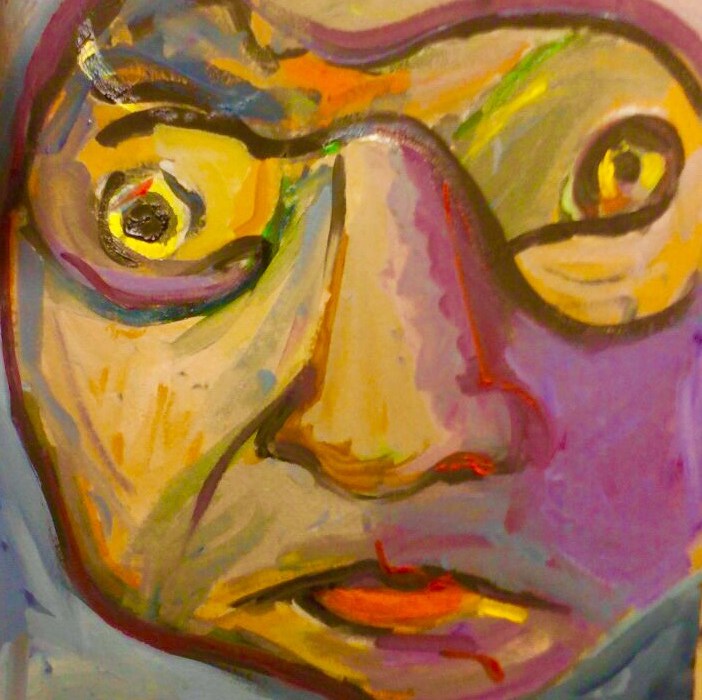
Both images by Gabriel Velichkova
Don’t be anxious about anxiety!

I remember when I was a small child and my mum or my uncle would take me out to one of my hometown’s parks or to the shopping centre. For some reason, I so often experienced an unexplainable fear and even dizziness and the terror that I might faint. I also had the feeling I couldn’t walk in a straight line. But no one noticed. Whenever I went to an indoor show or a classical music concert where people were sat on their seats and all they had to do was watch something and not move, talk or most importantly, look at me, I was fine. Little did I know what the problem was as it never occurred to me it was a problem at all. I knew I was shy and self-conscious and in my head that was the reason for my fears of crowds.

After I hit puberty, those irrational fears and the following symptoms became amplified and I started to seek for some scientific explanations. By reading and talking to different people I finally found out about agoraphobia. As the name suggests, agoraphobia is basically the fear of open and/or crowded spaces. The most important steps, I think, in dealing with an anxiety is first of all realising you have one and identifying the type.

Anxiety disorders are very common worldwide (with about 2% of the population suffering from them) and they are characterised by the pathological expression of fear. The most common types of anxieties are: agoraphobia, panic disorder, obsessive-compulsive disorder, social phobia, specific phobiageneralised phobia, post-traumatic stress disorder.The manifestations as well as the characteristics and the severity of anxiety disorders differ from person to person. Moreover, some anxieties can derive from other anxieties, like panic disorders. No wonder it took me a while to figure out what was going on with me. Here’s the thing and I would like people who suffer or have suffered from anxiety disorders to think about it: we often do not realise we have an anxiety (because we believe the causes underling the symptoms are different, like lack of self-confidence, heart attacks, pure coincidence etc.) or we just refuse to admit the reality.

Although anxiety has been mentioned in scientific literature since the 16th century, it wasn’t until the 1800s when it started to be considered  a mental illness. Before that, people attributed physiological and hormonal causes to anxieties.

Modern medical advances like fMRI and PET have made possible the discovery of the major role of the hypothalamic-pituitary-adrenal (HPA) axis in anxiety formation and development. Through a cascade of hormones released by this three-structure system, the brain responds to stress by activating the adrenal glands to produce cortisol. This, in turn, determines physiological changes which lead to exaggerated fight-or-flight reactions.

We shouldn’t pin all the blame on the hypothalamus though, as it only obeys two other structures: the amygdala and the hippocampus (which respond to the information processed in the neocortex). In this case, the amygdala and the hippocampus act as antagonists – the amygdala has a positive effect on the activation of the HPA axis, whereas the hippocampus suppressed this activation. This is how the normal fight-or-flight responses are regulated. Nevertheless, in patients suffering from anxiety disorders, hippocampal damage due to continuous exposure to cortisol (probably as a result of amygdala hyperactivity) leads to more cortisol being resealed from the adrenal medulla, thus the symptoms of anxiety becoming even more pronounced.

Several treatments, ranging from anxiolytic medications (benzodiazepines, alcohol, serotonin-selective reuptake inhibitors etc.) to psychotherapy have been developed in order to heal anxieties. Psychotherapy aims to get the patient accustomed to the stressor (the stimulus that produces anxiety) and, at the same time, to assure them of the extremely low risks potentially posed by that stimulus. In time, the fear of the stressor would disappear as the neuronal connections involving the stimulus processing would be altered.

I know I put between brackets alcohol as one of the many treatments against anxiety disorders. Indeed, due to its stimulating effects on the main inhibitory neurotransmitter, GABA. Essentially all drugs that can activate this neurotransmitter are considered anxiolytic, meaning they are able to treat anxieties. Keep in mind, though: This is should not be an excuse for people to become alcoholics 😛

In my case, the anxiety went away by itself, or maybe it was just me who kept on going to crowd places and telling to myself nothing bad was ever going to happen; which, to be honest, is a bit unrealistic – bad things can actually happen, but we should try to prevent them, instead of fearing them to the point when we would refuse to leave the house.

Hopefully, this article gave you a clearer idea about what triggers anxiety disorders and also made the anxious ones more confident that their fears don’t have to last forever.

Further information:

Article about anxiety

Short video on anxiety 

Documentary about anxiety

Bear et al., 2006. Neuroscience – Exploring the Brain. s.l.:Lippincott Williams & Wilkins pp. 665-670

Picture by Damaris Pop

Narcolepsy

Can you think of any situation when, let’s say, you were talking to someone and suddenly that person would glance at you with boredom and their eyes seemed to slowly close as if they were on the verge of nodding off? This sort of situations can be very annoying and it would be a lie to say that you didn’t feel mad or at least slightly pissed off when they happened. You probably either ignored them or chose a more aggressive approach, in order to ‘wake’ them up.

But what if instead of just a very rude or uneducated person you would have to deal with someone who suffers from narcolepsy? Not only the person you would supposedly talk to is actually asleep, but waking them up is very likely to trigger unwanted behaviours.

As odd as it sounds, there are people in this world who can fall asleep instantaneously, without any previous warning, in the middle of doing anything ranging from reading and talking to cooking and driving. These people are called ‘narcoleptics’.

So what is narcolepsy?

Narcolepsy or the so-called syndrome of excessive sleepiness is a chronic neurological disorder that affects less than one percent of the population, therefore it is considered a relatively rare disease. Due to the multiple causes that lead to this disorder, narcolepsy has been considered either an autoimmune or a neurodegenerative disease. Often it is hard to be identified and wrong diagnosis is given, such as epilepsy (because cataplexy could resemble epileptic seizures) or schizophrenia (due to visual and sometimes auditory hallucinations).

Symptoms

The most common symptoms of narcolepsy are: sleep disturbance, cataplexy (muscle weakness), excessive daytime sleepiness, sleep paralysis, hypnagogic hallucinations and abnormal rapid eye movement (REM) – in narcoleptics REM occurs extremely fast (within a few minutes), whereas normally it should manifest after one hour and a half. Nevertheless, patients who suffer from narcolepsy have also experienced increased appetite, automatic behaviour, sleep apnoea and memory problems (this is not due to cortical dysfunction, but to impaired attention).

Except for cataplexy, sleep paralysis and hypnogogic hallucinations, reduced attention and disorientation after waking from daytime naps are also common. Moreover, patients could suffer from aggressive behaviour, with temper outburst and irritability especially if woken up and they might also deny their condition.

Interestingly enough, despite the fact that narcoleptics have trouble with being awake during the day, they would often experience insomnia during the night. Their sleep deficiency can be accentuated by some forms of medical treatment.

Causes

It has been demonstrated that many factors are involved in the initiation and development of narcolepsy; these range from genetic factors, including the human leukocyte antigen DQ and DR (HLA-DQ and -DR) genes and polymorphism of certain type of genes (for instance tumour necrosis factor alpha or monoamine oxidase genes, both located on chromosome 6) to environmental factors (head trauma and various infections, such as the infection with Streptococcus pyogenes). HLA genes code for the HLA complex called antigens, proteins with an essential role in the immune functions and usually associated with autoimmune diseases.

In addition, latest discoveries have shown a decrease in levels of hypocretin-1 and -2 (also known as orexin-A and-B) in the cerebrospinal fluid and hypothalamus could account for the trigger of narcolepsy. Deficiencies of this neuropeptide might produce changes in monoamine oxidases, enzymes with an important role in the degradation of amine neurotransmitters, such as serotonin and dopamine. Low levels of dopamine dramatically influence the development of some psychiatric and neurodegenerative disorders (ADHD and Parkinson’s disease, respectively) including narcolepsy.

Treatment

Given the fact that the decrease of hypocretin tone plays an important role in the production of narcolepsy, an efficient solution would involve the increase in the concentration of these peptides. One way of achieving this is by intracerebroventricular administration of hypocretin-1 peptide, which appears to reduce the frequency of cataplexy and stimulate arousal in mice. Another even more efficient and less invasive method is represented by the intranasal administration, hence the neuropeptides being directly delivered to the central nervous system.

Serotonin was also discovered to have significant role in wakefulness and REM regulation, hence decrease levels of serotonin (5-HT) might induce narcolepsy. Therefore, medicines that could increase the levels of serotonin in narcoleptic humans might be a solution for this disease.

Most of the patients diagnosed with narcolepsy are recommended pharmaceutical treatments, which usually consist of the intake of certain doses of stimulants. Nevertheless, taking into consideration the side effects of these drugs and the limited adherence of the patients to the medications, alternative methods have been discovered. One of them is represented by behavioural and psychological approaches, for instance regularly scheduled naps during the day and daily exercises (but avoidance of activities that increase body temperature).

Since treatment involving cognitive stimulants is the most wide-spread, a lot of drugs are used in order to cure narcolepsy. A very common example is represented by amphetamines (such as Ritalin), which are known to increase levels of dopamine in the brain, reduce daytime sleepiness and inhibit the monoamine oxidases. Also Mazindol, Modafil and Selegiline are used as treatment for narcolepsy, as they reduce cataplexy and inhibit the monoamine oxidases. The amino acid L-tyrosine stimulates the production of noradrenaline and dopamine, therefore it also represents a solution (although more tests of its effects are required).

Some very important drawbacks that should be considered when using pharmaceutical stimulants in treating narcolepsy, and any disorder that affects the nervous system in general, are the possible adverse effects and the chances of dependence, abuse and tolerance. Although serious addiction problems haven’t been registered, high dosages increase the risk. According to some studies, 30-40% of narcoleptic patients using medicines have developed tolerance, therefore 1-2 days per week of no medication is recommended.

The most common adverse effects of the psychostimulants are headaches, insomnia, anorexia, irritability, heart palpitation. Patients must acknowledge that these drugs cannot be taken as brain enhancers and they must also be aware of the side effects and possible risk of addiction before deciding to undergo a medicine-based treatment.

I hope you enjoyed reading this article 🙂 It is actually highly based on an essay I had to write in my first year of university and therefore I am going to add the literature I used at the time in order to gather information.

Further reading:

Aldrich, M. S. (1990). Narcolepsy. The New England Journal of Medicine, Vol.323(6), pp.389-394 ].

Allsopp, M., & Zaiwalla, Z. (2001). Narcolepsy. Archives of Disease in Childhood, Vol.67, pp.302-306.

Bassetti, C. R., & Scammell, T. E. (2011). Narcolepsy. Dodrecht: Springer.
Conroy, D., Novick, D., & Swanton, L. (2012). Behavioral Management of

Hypersomnia. Sleep Medicine Clinics, Vol.7, Issue 2.

Danis, P. (1939). Narcolepsy. The Journal of Pediatrics, Vol.15(1), pp.103-106.

De La Herrán-Arita, A., & García-García, F. (2013). Current and emerging options for the drug treatment of narcolepsy. Drugs, Vol.73(16), 1771-1781.

M.M Mitler, M.S Aldrich, G.F Koob, et al. (1994). Neuroscience and its treatment with stimulants. Sleep, Vol. 17 (4), pp. 352–371.

Thorpy, M. (2001). Current concepts in the etiology, diagnosis and treatment of narcolepsy. Sleep Medicine, Vol.2(1), 5-17.

Image edited by Isuru Priyaranga

Track the turtles

Those of you who love Neuroscience and Neuroscience only, I must warn you: This is not a Neuroscience-related article! This article is about turtles. And as much as I would like to get an insight into these creatures’ minds, knowing how invasive the current techniques are and that there is not yet a vast literature on this subject, the today’s article will not consider the brain.

Why turtles then? Are they interesting enough for us to mind them? The answer is YES! I am an animal lover, and I believe that all beings of any sort are fascinating and that they deserve to live a happy life. That is not how I became so amazed by the turtles, though.

This summer I volunteered in Kefalonia (one of the Ionian Sea’s Greek islands) for two weeks to work in the only sea turtle conservation there. I spent a wonderful time and I came back with lots of memories and things to share. But the most important thing I gained through my experience there was what I have learnt about sea turtles. The organisation that runs the conservation volunteering projects is called Wildlife Sense.  You can have a look and if you are turtle lovers and enjoy adventures, you should definitely sign up for volunteering work, which I can assure you, is very rewarding.

As volunteers in the egg-laying season, our task was to take many types of measurements, observe and analyse turtle tracks, the sand, the temperature on the beach, the amount of light and estimate light pollution, find turtle nests, relocate (if necessary) these eggs, tag and microchip the adult turtles etc. It might not sound so exciting, but I felt like both a researcher and an animal protector and I acquired a lot of skills needed for future experiences of this sort and much more.

Know your sea turtle

It is important to know the difference between a turtle and a tortoise. The latter are the ones who walk on the ground and can retract all four limbs and head. Turtles have fins (or flippers) and these are not completely retractable. There are 7 species of sea turtles: leatherbacks (the biggest), loggerheads, greens, kemp’s Ridley, olive Ridley, hawkbill and flat-back. On Kefalonia one can only find loggerheads (Caretta caretta) and some say, greens (but we’ve never seen those).

A few anatomy things

Loggerheads are big turtles, with 80 to 110 cm in carapace length and contrary to what some of you might think, they are very strong and can be very aggressive: they can bite and scratch with their claws (one of the volunteers in my team got her trousers ripped off by a turtle). Marine turtles, just like tortoises, terrapins and other reptiles, are covered in scutes and scales. The scales are on the carapace, while the scutes cover the skin and the ones on the head profile are like human fingerprints – they are unique to each turtle. There are some differences between male and female turtles, including size (females tend to be a bit bigger), but to be sure about the gender, look at their tails: males have a tail coming out from underneath the carapace. Nevertheless, some males hide their tails from time to time, giving researchers a hard time about gender identification.

Laying eggs

When a turtle needs to lay her eggs, some very interesting things happen: she usually returns to the same beach she was born on, even though they travel long distances and get in the ocean throughout their lifetime. For that, she uses something called geomagnetism which involves Jacobson’s organ for olfaction and the geomagnetic orientation trigeminal system. When she comes out of the sea, a turtle pays a lot of attention to the environment: she wants to make sure there are no predators and that the sand is good enough, so she is very focused on anything that is moving, as well as noises and lights.

Loggerheads alternate their tracks when they move on sand and the tracks are a good indicator for the directions to and from the sea. When they start digging the nest, marine turtles use their front flippers to remove the sand around them, while their bodies form a distinctive (and very relevant for researchers) shape in the sand – a body pit (or an extended body pit). They lay around 100-120 eggs, but due to external factors only few of them (1 in 1000) can reach maturity and lay eggs. Temperature determines the embryo’s sex – eggs kept warmer become females – but it can also affect the embryo’s survival. Therefore, the depth of the whole is very important (16-34 cm from the top five eggs), because it significantly influences the temperature of the egg chamber.

It is said that turtles cry after they lay their eggs. There is a grain of truth here, the turtle does indeed drop a few tears, but this is not because she is sad to leave her babies out in the nowhere (even though, that does not mean she has no feelings of this sort, we do not yet know). It all comes down to maintaining the salt balance and those tears actually help the turtles excrete the excess of salt in their eyes.

After she lays her eggs, the turtle returns to the sea and she might never see her babies again. The hatchlings come out of the eggs after one month and a half-two months and orient themselves towards the sea using light (the sea is the brightest thing on the beach if there’s moon light to reflect in it). They show a tropotactic behaviour (they compare intensities in both eyes and move accordingly). Light pollution from artificial lights on the beach is fatal for many hatchlings (amongst other factors like predators), because the poor babies often get confused and don’t know where to go. Sea turtles do not perceive red light, so volunteers were advised to use red lights when looking for turtles at night, in order not to disturb the egg-laying process. The wavelength of light perceived by marine turtles usually ranges between 360 and 600 nm; green turtles see yellow light and do not mind it, while loggerheads are xanthophobic (averse to yellow-orange light). Once in the sea, baby turtles can encounter many other dangers, but if they survive, they swim to other seas and oceans and they can live up to 60 years.

A sea turtle story’ link – A MUST WATCH

As for genetics…

It was discovered that male turtles do not have an SRY gene on their Y chromosome, although the presence of another gene, the SOX9 gene, influences the formation of testies.  Steroidogenic genes are also thought to be involved in sex determination, along with the DAX1 nuclear receptor protein (encoded by an ‘antitestis’ gene) and the anti-müllerian hormone (for testis differentiation).

Marine turtles, and turtles in general, are still a mystery for biologists, but what has been discovered so far about them did nothing but prove how marvellous these animals are. If what you have read in this article aroused your curiosity, I can only hope you will allow the turtles to amaze you in the future as well.

Below, I have inserted a link to a very interesting paper that raises awareness about relocating eggs and explains it from a different point of view.

For further information:

Lutz et al., 2003. The biology of Sea Turtle, Vol. 2. CRC Press

Paper

Wildlife Sense link

Emotions and the brain

Once upon a time, I promised I was going to write an article about how emotions affect our decision-making and why it is actually important not to ignore the feelings we have in certain situations…For several, unexplainable reasons I kept postponing this idea, and for that I am very sorry. Having said that, there is no better way of making up for this than to finally keep my promise. So, here we go!

I think I should start off with a small mention: emotions and feelings are distinct things, according to neuroscientist Joseph LeDoux. As he well puts it: “…feelings are what happen when we become consciously aware that our brain is reacting to some significant stimulus,” while it is possible that some brain structures, such as the amygdala “respond to emotional stimuli without the organism being aware of the stimulus.”

In order to achieve a better understanding of what the process of forming emotions involves, scientists talk about emotional experience and emotional expression. The latter refers to body manifestations and behaviours in response to certain stimuli, for example changes in facial expression, heart rate, sweating, skin conductance etc. It has been a subject of debate for several decades whether emotional experience or emotional response is the one responsible for formation of the other, or that they act independently. It is now believed that different emotions depend on specific parts of the brain and are determined by different neural circuits.

But why should we care about emotions in the first place? Some of you might find it strange, but emotions are intensely interconnected with reasoning and decision-making. And no, I don’t mean that they impair the process of making the right decision, it’s actually quite the opposite: most of the times we need emotions in order to be able to do what is best for us in a certain situation.

An interesting case: Phineas Gage 

A man who has gone down in history for surviving a terrible accident at the work place, but maybe mostly because of his importance in understanding the role of emotions in decision-making, is a late 19th century foreman, Phineas Gage. He had been hired as a foreman on a railroad construction site in Vermont and one of his tasks was to sprinkle explosive powder into blasting holes. This sounds like a dangerous thing to do, but Gage was regarded as one of the best people in this field: he was said to be very efficient, energetic, balance-minded, tenacious, a smart and successful business man etc.

One moment of carelessness dramatically changed his life forever, and at the same time had a huge impact on the way scientists began to think of emotions. The powder exploded and a tamping iron entered Gage’s head under his left eye, passing through his left frontal lobe, and exited the skull, leaving a hole which measured more than 9 cm in diameter.

Gage survived, but he “was no longer Gage”, as his friends and acquaintances used to say. Apart from losing vision in his left eye, the man had no motor or sensory deficits, he could hear, touch, sense, walk and talk. It was his personality that was completely changed. He became capricious, irreverent, impatient, and behaved as if he did could not predict, nor care about any professional or personal failure. He was soon fired and found different jobs over time, most of which were related to the accident and the iron rod, which had turned him into some sort of freak.

Some explanations and brain functions

The limbic system is probably the first to come to mind if you refer to brain areas involved in emotions. It consists of structures around the thalamus or in the temporal lobe, such as the amygdala, the hypothalamus, the limbic cortex, the cingulate gyrus, the fornix, the corpus callosum etc. Each one of these structures is involved in specific types of emotion and in triggering certain behaviours or responses through the autonomic nervous system. For example, the amygdala is linked to fear and aggression. Different regions (nuclei) in the amygdala are associated certain functions, so that both emotional expression and experience require the amygdala in order to be formed. Projections from amygdala are sent to the hypothalamus, which determines the autonomic response, the brain stem for behavioural reaction and the cerebral cortex, which is involved in emotional experience. The amygdala is also thought to play a role in enhanced emotional memory.

Regulation of specific emotional behaviours depending on the limbic system is facilitated by one of the major neurotransmitters, serotonine. Neurones containing serotonin originate in the brain stem (in the Raphe nuclei) and send projections to the hypothalamus. Serotonine is associated with a decrease in aggressive behaviour, but at the same time is involved in dominance, as proven by studies in rhesus monkeys.

The Papez Circuit (named after the neurologist James Papez who came up with the idea of an “emotional system”) is composed of interconnected anatomical structures (many of which are part of the limbic system) that link emotional expression and emotional experience together. Papez proposed that the cingulate cortex determines emotional experience, while the major structure involved in emotional expression is the hypothalamus. 

Below I have inserted a diagram showing the Papez Circuit, based on information from Bear et al. Note that the hippocampus is now thought to have less importance in the process of emotion formation.

The Papez Circuit

The discussion above does not fully explain what happened in the case of Phineas Gage. There is much more to emotion than that! Given the fact that the iron rod severely affected Gage’s frontal lobe, we should definitely focus our attention on this structure, too. The frontal lobe and the prefrontal cortices are involved in planning, reasoning, social behaviour, motivation, defining our personalities etc. Damage to these regions, especially to the ventromedial prefrontal cortices, results in decision-making impairment. While the intelligence and the other body functions remain intact, the patient who has suffered the damage is no longer able to exhibit normal social behaviour. The patient becomes emotionless and this lack of emotions and self motivation makes them incapable of making the right decisions.

If instead of the ventromedial prefrontal cortices, another region of the prefrontal cortices is affected, there is a very strong possibility that the patient’s intellectual abilities are compromised, along with their ability to form emotions. This region is called the dorsolateral prefrontal cortices. The person with a damage in this brain area would encounter severe difficulties when it comes to operations on numbers, words, space etc.

Another brain structure involved in the process of emotion forming is located in the right hemisphere. If the somatosensory cortices of this area are injured, the result would be similar to what can be seen in the case of a damaged ventral prefrontal cortex, but there is something more…the processes of basic body singling are also disrupted. This can be observed in patients suffering from anosognosia, a disease in which the patient is unaware and denies their disability.

I have tried to comprise a lot of information and simplify things as much as possible. If you managed to get here with both eyes open, I couldn’t be happier. Hopefully, you can see now why we should also “think with our hearts” when we need to decide about a certain situation…because the “heart” is somewhere in the brain and it knows better than us what we need to do.

For further information:

Antonio Damasio,1995. Decartes’ Error. Vintage Books

Bear et al., 2006. Neuroscience – Exploring the Brain. s.l.:Lippincott Williams & Wilknins pp. 564-581

Article about Phineas Gage

Image by Isuru Priyaranga 

Yourself…and decision-making!

I recently came across a very interesting post on Facebook, written in Romanian. This post especially caught my attention first of all because it had been made by a group very dear to me, Yourself; secondly, the topic was exactly the one I was thinking about for my next article. It’s about the role of emotions in decision-making. To be honest, this is something I’ve been studying for a while and I’ve been struggling to synthesise the main ideas for an article. But this post had it all: it is clear, concise, easy to read and definitely not boring.

I now have a very good starting point for my article. So in the meantime, I thought, why not translate it? 🙂

“When we were small it was easy to write letters to Santa, because we knew exactly what we wanted and we made choices with no difficulty. But as we grew older, things got a bit more complicated; the further we navigate the path to maturity and complexity of life, the more it becomes a challenge to make up our minds.

Why is it sometimes so hard to make choices?; Why do we get anxious and agitated whenever we have to face the impossibility of making a decision? Perhaps it comes down to the fact that the process of decision-making involves many options, and taking the variables into consideration involves both reason and emotions.

The logical process of decision-making is based on determining the value of each option. We often try to rule out as many emotional aspects as possible, to detach from them, and to evaluate each alternative in a logical, almost mathematical, way.

On the other hand, decisions we make in particular emotional states, such as when we are angry or extremely happy, are said to be “in the heat of the moment”. So, which one of these two alternatives represents the best way of making a decision?

Antonio Damasio, a Neuroscience specialist, performed studies on people with deficits in the prefrontal cortex (which is responsible for decision-making, among other cognitive functions) and the cortical structures involved in generating emotions. These people would hardly make even the simplest decisions, such as choosing between fish or chicken as a meal, going shopping, taking a walk etc. He also noted that these individuals were able to reasonably evaluate the consequences of their choices and objectively analyse the alternatives, but could not or it was extremely difficult to make any decision, no matter how simple they were.

Going back to the idea of multiple variables in decision-making, emotions are part of these variables and it is important to acknowledge their role in this process. Life is full of choices and decisions, and we have to face them all. Moreover, if our decisions are based on strong moral values, we will find the necessary means to deal with any potential challenge, regardless the final choice (which we could be quite uncertain about).”

I hope you enjoyed it! 🙂

Drawing by James Dowinton

Yourself Facebook page 

Yourself website 

Some mentions about the latest topic

Some of you have emailed me asking about what things we should stay away from during pregnancy, in order to avoid changing the normal course of a baby’s development. If you remember from the article about gender identity and sexual preferences see here, one of the most important factors in an individual’s development is represented  by sex hormones like androgens and oestrogen. They begin acting on our bodies in early pregnancy and even slight modifications in their functioning may dramatically affect our personality, preferences and behaviour as adults. 

Given external factors can greatly influence these hormones, it is very important to know which ones fall into the category of risk factors and therefore possibly affect our development. As expected, these factors pose a threat during pregnancy, which is why pregnant women should be particularly cautious about their life style. 

It has been suggested that taking aspirin while pregnant might increase the chance of the mother giving birth to a “more masculinised girl”. This is due to the actions of aspirin as a cyclooxygenase inhibitor; cyclooxygenase enzyme converts arachidonic acid into prostaglandins which apart from their well-known role in immune reactions, also seem to be involved in sexual behaviour. A decrease in the production of these compounds in female rats is thought to account for their man-like behaviour. 

Other factors that present a risk of having a lesbian daughter are smoking and synthetic drugs. The exact mechanisms of their actions is still unclear and it might turn out that they are not in fact such a threat. But it’s always better to prevent something rather than be oblivious to it. 

Also, stress during pregnancy can induce homosexuality in children, due to raised levels of cortisol which affects the production of sex hormones. So women caring a baby should try to stay as calm and relax as possible, even though that sounds like such a hard task especially when you’re pregnant! 

If you have any other questions or you would like to add your thoughts to this post, do not hesitate to leave a comment. 

Gender differences and sexual preferences

When it comes to gender and sexual orientation, most of you would probably agree that it has always been a controversial topic. Not only are people’s opinions mixed about a variety of aspects related to gender and sex (the differences between males and females; the “gay problem”; the transgender and transsexual “trend” etc.), but it is also the complexity of these aspects that makes them difficult to be understood and accepted.

Do women’s brain differ to that of male’s? If so, what are the factors involved in the process of differentiation and when and how does all of this occur? Is homosexuality a choice or a genetic determination? Why do some people attempt to change their gender? These are some of the most common questions that have been raised throughout time and that I have come across. Nevertheless, one question that really got me thinking is: Are homosexuals, bisexuals, polysexuals, demisexuals, transgenders, transsexuals and so on NORMAL?

Hopefully, by the end of this article you will find some of these questions at least partially answered. Given the fact that the article is intended to cover such a diverse subject, I have decided to divide it into chapters. Having said that, let’s dig in!

Why do boys like blue and girls like pink?

It might come as a surprise that the behaviour of people according to their gender is not as much influenced by the society as one would expect. It is true that parents guide their children to behave in a certain way depending on whether they are boys or girls: the type of toys they are offered (action toys versus dolls); the kind of sports/activities they are encouraged to perform; the colours of their cloths and/or rooms etc. Moreover, it seems that this distinction between girls and boys is perpetuated in school by teachers: boys are expected to perform better tasks that involve mathematical and spatial reasoning, while girls are said to outperform boys in word comprehension and writing. Some have argued that all the previously mentioned are myths and that society should stop differentiating between genders when it comes to brain and intellect.

It turns out that these differences exit with or without the social stereotypes, or more precisely these stereotypes are based on real facts. Studies have shown that female monkeys prefer dolls, while male of the same species would rather play with toy cars and balls. This is not surprising if we consider the evolutionary roles of males and females inside the family and community: males have evolved specific abilities for more dynamic activities such as hunting and protecting their territory from enemies, thus their native spatial skills; females are structurally designed for more domestic activities, such as motherhood and housekeeping, therefore are more sociable and more inclined to have a better verbal memory than men.

So how are our brains programmed to develop certain male/female behavioural characteristics in us? It all comes down to genes. As we all know, at a chromosome level females differ from males in the heterosome pairs: XX for women and XY for men. Even though the X chromosome is larger and contains the majority of genes (including those coding for some masculinity traits), the Y chromosome has a crucial role in sex determination. The presence or absence of a specific gene called the sex-determining region of the Y chromosome (SRY) “decides” whether the foetus develops into a male or female. This gene codes for the protein testis-determining factor (TDF) which is responsible for the differentiation of the foetus’ genitals into testes.

The hormones produced by the testes (androgens), primarily the testosterone, have a very important role in the male development, as well as the oestrogen (like estradiol) influence the female features. During the first half of pregnancy, between the sixth and twelfth week, testosterone (produced at first by the Y chromosome) differentiates the sex organs into testes or ovaries. During the second half of pregnancy, the brain differences occur, due to a peak production of testosterone. The role of hormones in gender differentiation is important not only during the intrauterine period, but throughout the whole life of an individual. At puberty, the release of sex hormones induce the secondary female/male characteristics, such as facial hair, breasts, voice change etc.

It is important to note that the release of hormones is highly regulated by the nervous system and the endocrine system. Having said that, the pituitary gland secretes luteinising hormone (LH) and follicle-stimulating hormone (FSH) also known as gonadotropins which stimulate the gonads (testes and ovaries) to produce hormones. In turn, the pituitary gland’s hormone production is controlled by the hypothalamus through another hormone – gonadotropin-releasing hormone, which is influenced by the circadian cycle (more on this in a future article or if you have any questions, please address them to me). The adrenal glands also secrete a small amount of androgens.

Brain sexual dimorphisms

Yes! There are structural differences between the female and male brains and they are called sexual dimorphisms. The hypothalamus is a key region of the brain to sexual behaviour. As expected, a striking dimorphism can be observed here, more specifically within the preoptic area of the anterior hypothalamus. Here, the sexually dimorphic nucleus of the mammalian hypothalamus is significantly larger in males than in females. In humans, the preoptic area contains four clusters of neurons out of which at least one – INAH-3 (interstitial nuclei of the anterior hypothalamus-3)- was shown to be bigger in men. Also, the corpus callosum (the major neural pathway that connects the two cerebral hemispheres) and the bed nucleus of the stria terminalis (BST) are larger in men.

The abnormal (?!) 

We finally got to the point where we discuss the “anything else other than heterosexuality” which is often classified as abnormal. Heterosexuality is known to predominate and is thought to be the only form of sexual orientation in all the other species apart from humans. Nevertheless, this couldn’t be further from the truth. Fish, birds, reptiles and even some mammalian species shown homosexual behaviour. It appears to be more common in birds than in mammals, although the examples are quite sufficient to prove that mammals are inclined to develop homosexual behaviour too. However, homosexuality among mammals is often temporary and is due to certain situations, such as better protection of the offspring, defence mechanisms and seeking help from other animals against enemies.

Having read the chapter about gender differences, we are entitled to assume that some sort of chemical and structural modifications generate gender identity and sexual orientation. Many of these changes happen in the womb. As explained above, genes and hormones play a very important role in the development of a foetus into a male or a female. But if these two factors don’t “agree” with each other, the individual will experience sexual and/or gender changes. The genetic and hormonal influences can be easily observed in twins: monozygotic twins have an incidence of 50% of both being homosexuals, while the percentage in dizygotic twins in 25%. At the same time, in the case of opposite sex twins, the female twin is more likely to develop congenital adrenal hyperplasia due to being exposed to her brother’s testosterone.

Before we go deeper into the subject, I would like to point out a few interesting things. The principal female sex hormone estradiol is actually synthesised from testosterone by the action of an enzyme –  aromatase. At the same time, the androgen receptor gene is located on the X, not on the Y chromosome, so males have only one copy of this gene. 

The fact that males have a single copy of the androgen receptor gene makes them prone to androgen-insensitivity, if the gene is not functional. The androgen-insensitive genetic males develop normal testes and produce testosterone, but they look and behave like genetic females. They are also attracted to men instead of women. The female version of this is represented by congenital adrenal hyperplasia. Women with this condition have been exposed to an abnormally large amount of testosterone and they develop a man-like behaviour, being more inclined to choose women as their sexual partners.

Even though the up-bringing of children and the social environment might have some influence on their sexual preferences and gender identity, the hormonal and central nervous system structural and functional changes have been demonstrated to be the cause. In most cases, if too much or too little amount of a specific hormone is released (or the receptors for that hormone are inactive or hyperactive) during pregnancy, this leads to changes in brain development. Previous studies have indicated that some structures in the hypothalamus are larger in homosexual men than in the heterosexual ones. Other differences have been observed in the brains of transsexual people. The bed nucleus of the stria terminalis, for example, is smaller in male-to-female transsexuals than in males, being more similar to the women’s BST.

Also, brain circuits appear to function differently according to sexual orientation. Usually, the way some brain areas respond to specific pheromones (see previous article about olfactory memory) and other stimuli is similar in heterosexual men and homosexual women and consequently, in heterosexual women and homosexual men. These functional and structural differences appear early in development and cannot be changed after birth by any social and environmental means. 

I believe we can all agree now that there are many forms of “normal” in the world and that nature is a lot more open-minded than humans. We should learn to think outside the box and accept those who are not abnormal, but only different from us just as we are different from our parents, family, friends in terms of eye colour, food preferences, fashion style etc. Nevertheless, there is something I would like to place emphasis on: it’s one thing to be in a certain way and a completely different thing to choose something just because it’s cool or a lot of people do it. If you are one of those people who think being gay for instance is cool, but do not identify with it at all, my advice is: Don’t jump on the bandwagon! Be who you are and accept the others for who they are!

For further information:

Bear et al., 2006. Neuroscience – Exploring the Brain. s.l.:Lippincott Williams & Wilknins pp. 534-560

Swaab, 2014. We are our brains – From the womb to Alzheimer’s. Penguin Books, pp. 55-71

Kandel, 2005. Psychiatry, psychoanalisis and the new biology of mind. Trei, pp. 122-126

Photo taken by myself and edited by Isuru Priyaranga

Autism

As I was thinking about the way I should structure this article, a question kept running through my head: ”If we were to choose, do we want to be cool idiots or anti-social geniuses?” At first, common sense kicked in: “You cannot really put things like this; when it comes to human beings (and living creatures, in general) there are many shades of grey. Therefore, you can be smart and socially able at the same time. People are complex!” But what is intelligence? What really distinguishes intelligence from geniality? Are geniuses narrow-minded and do they excel in only one or two areas? Doesn’t being smart require broaden interests and different abilities, including social skills? Does intelligence involve creativity? So many questions, so many myths, so much confusion… I decided to write an article about intelligence at some point in the near future, but until then, let us focus on today’s topic – Autism!

Autism Spectrum Disorder is a rather peculiar brain disorder with contradictory manifestations. It is one of the reasons for the avalanche of questions above, and it has often left scientists baffled. I am sure most of you are all well aware of the characteristic symptoms an autistic person portrays. If you remember when we talked about empathy and mirror neurones in a previous article, we mentioned autism in the context of a dysregulation in the activity of mirror neurones. As a result, autistic people do not understand and tend to avoid other people, and they might not allow others to touch them. They also develop stereotypical behaviours. Repetition and strict schedules is what people with autism need in order to feel calm and safe. Anything that is out of the ordinary, according to their particular set of rules, can wreak havoc.

Some of you might add that autistic people have severe mental disabilities. I would like to point out a relevant distinction here: patients with Asperger’s syndrome show normal intelligence and often impressive language skills, and are not characterised by the same anti-social behaviours as autistic patients. The latter was first described by Leo Kanner in 1943, whereas Asperger’s syndrome bears the name of its discoverer who, nevertheless, used the same term (autism) in 1944 to describe the disease.

What is amazing about many autistic people is that, despite their so-called “mental retardation” and subaverage IQ (between 30 and 60), they exhibit incredible and unique talents, usually in one or two fields. These fields can rage from art and music to maths and impressive arithmetic skills. Either they are multi-instrumentalists, polyglots, compulsive drawers or writers, or are able to do almost impossible mental calculations, and it comes as no surprise that autistic people were also notorious geniuses (e.g., Michelangelo Buonarroti, Pablo Picasso, Amadeus Mozart, Charles Darwin, John Nash).

On top of this, autistic people can learn a new language or a classical music composition in a matter of days or even instantaneously (as it is the case of multi-instrumentalist Leslie Lemke). And if you are still not impressed, some have an amazing memory, being able to retain every information they read. Kim Peak, the man who inspired the famous film ” Rain Man”, has stored in his memory all the details in the around nine thousand books he has read throughout his life. Nevertheless, he is regarded as retarded and is almost completely dependent on his father.

But what actually happens inside those incredible people’s brains? What makes them work in a way normal people cannot, and yet still, why do they lack what we have? One possible explanation comes down to genes. It appears that a mutation in the fmrp gene causes the loss of the encoded protein, leading to structural brain modifications. The FMRP protein regulates synthesis of proteins in neurones and its absence leads to overly developed brain tissue.

Another theory has to do with brain trauma (such as in the case of epilepsy) at an early age, which can trigger different parts of the brain to be cross-activated. This, in turn, leads to another very interesting phenomenon – synaesthesia. Therefore, autistic individuals associate numbers or different other objects with colours, odours or shapes. This can account for their unbelievable abilities to memorise so much information. Some scientists believe that it is the loss of particular functions in the brain that trigger the genius abilities, more specifically the brain regions that control “higher” cognitive processes are or become inactivated. Ironic as it sounds, the talents of autistic people, which we all aim for, are actually linked to subcortical areas and in a normal individual are usually suppressed by the functions of the cerebral cortex. We can now understand why normal people are “normal” and autistic people are different.

As always, there is much more to tell, but unfortunately limited space requires this article to come to an end. I will come back to this in a future article about the creativity and intelligence. Until then, how about you reflect on the questions at the beginning of this article for a while? Also, I added a link to a very interesting video about an autistic young man who is not only extremely talented but also (surprisingly!) socially able.

For further information:

Antonio Damasio,1995. Decartes’ Error. Vintage Books

Bear et al., 2006. Neuroscience – Exploring the Brain. s.l.:Lippincott Williams & Wilknins pp. 706

Dick Swaab, 2014. We are our brains – From the womb to Alzheimer’s. Penguin Books, pp. 185-194

Video Daniel Tammet (highly recommended) 

Image by Damaris Pop